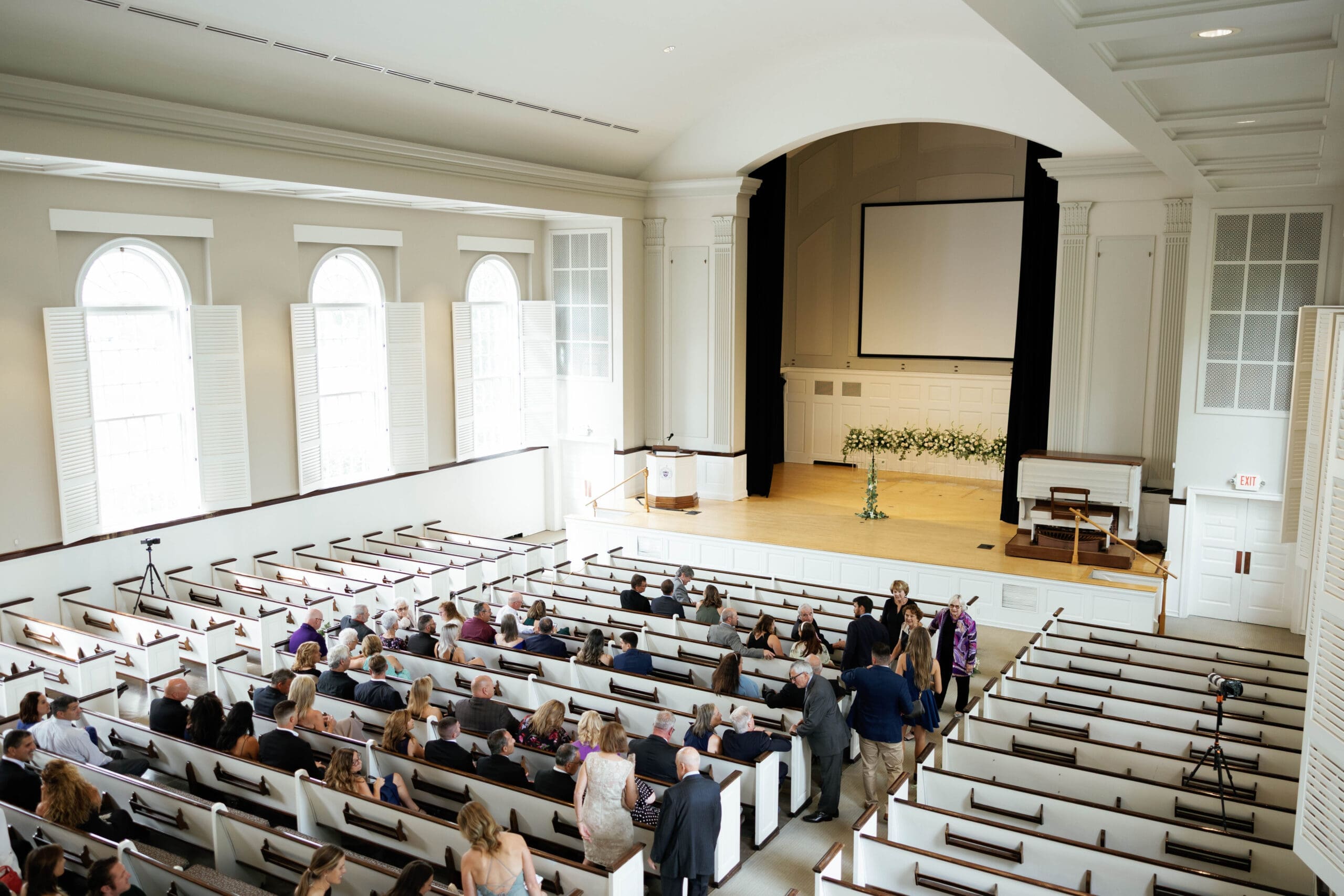

If you’ve ever wondered what gear I use to film weddings, you’re in the right place. Here is my complete Wedding Gear Guide
Hi, I’m Chay, the filmmaker behind Arredondo Films. A Pittsburgh based videographer creating cinematic wedding films for couples throughout Pennsylvania, across the U.S , and destinations around the world, preserving each celebration with intention, true emotion, and timeless storytelling.
Whether you’re an aspiring wedding filmmaker building your first kit, another creative who’s curious about my workflow, or a couple wanting to know what’s behind the scenes on your wedding day, this guide walks through every major piece of equipment I bring to every wedding.
Want to see this gear in action? Click Here
Before we dive in, I want to make one thing clear:
Gear does not make someone a great filmmaker.
I’ve watched incredible wedding films shot on entry-level cameras, and I’ve seen forgettable films created with tens of thousands of dollars worth of equipment. Storytelling, experience, and anticipating moments will always matter more than the logo on your camera.
That said, professional equipment gives me something that’s invaluable on a wedding day: reliability.
When there are no second takes, your gear has to perform every single time.
My Wedding Gear at a Glance
| Category | Gear |
|---|---|
| Main Camera | Canon EOS C50 |
| Secondary Camera | Canon EOS R6 |
| Gimbal | DJI RS4 Pro |
| Lens | Canon RF 28-70 F2 |
| Ceremony Audio | Zoom F2-BT (x2) |
| Additional Audio | Zoom F3 Field Recorder |
| Backup Audio | Sony ICD-TX650 |
| Tripod(s) | Geekoto 77″ Tripod |
| Lights | Apurture LS 60D |
| Light Stands | Impact 16′ Heavy Duty |
| SD Cards | Sandisk Extreme Pro 512GB |
| Cf Express Card | ProGrade Digital 512GB |
Main Camera
Canon EOS C50
The Canon C50 is my primary camera and the one responsible for capturing the majority of every wedding film.
I wanted a cinema camera that could keep up with the unpredictable pace of weddings while delivering beautiful color, excellent dynamic range, and dependable autofocus. Whether I’m filming outdoors in harsh afternoon sun or inside a candlelit reception, the C50 consistently produces footage that feels polished and cinematic.
It’s a camera built for video first and that’s exactly what I wanted.
Secondary Camera
Canon EOS R6
No professional wedding filmmaker should rely on a single camera.
The Canon R6 serves as my second angle throughout the wedding day. During ceremonies, speeches, and first dances, it allows me to capture multiple perspectives while also providing immediate redundancy if something unexpected were to happen.
The additional angles also make the final wedding film feel far more immersive and dynamic.
Stabilization
DJI RS4 Pro
One of the biggest differences between amateur footage and professional filmmaking is camera movement.
The DJI RS4 Pro allows me to move naturally with my couples while creating smooth, cinematic motion. Whether we’re walking through a city, wandering a garden, or dancing at the reception, the movement feels intentional instead of distracting.
It’s one of those pieces of equipment that disappears into the storytelling—which is exactly what good filmmaking should do.
Lens
Canon RF 28-70 F2
If I had to choose one lens to film an entire wedding with, this would be it.
The Canon RF 28-70mm f/2L has earned a permanent spot on my camera because of its incredible versatility. From wide shots of your venue and ceremony to intimate close-ups during your vows or portraits, it allows me to adapt quickly without constantly changing lenses.
What truly sets this lens apart is its constant f/2 aperture. It performs beautifully in low-light environments like churches and receptions while creating the soft, cinematic background separation that gives wedding films their timeless look.
Wedding days move fast, and there’s rarely time to stop and swap lenses. Having a focal range that covers so many situations means I can stay focused on anticipating moments instead of changing equipment.
It’s easily the hardest-working lens in my camera bag—and one I trust to capture some of the most meaningful moments of the day.
Audio
If video tells the story, audio creates the emotion.
Years from now, couples won’t just want to see their vows, they’ll want to hear them exactly as they happened.
That’s why I record multiple sources of audio throughout the day.
Zoom F2-BT Recorders
I use two Zoom F2-BT recorders during the ceremony, typically placing them on the groom and officiant. Depending on the ceremony setup, I’ll also use one on the bride when appropriate.
These compact recorders capture crystal-clear audio directly from the people speaking, ensuring vows remain clean and intelligible regardless of wind, distance, or venue acoustics.
Zoom F3 Field Recorder
For the ceremony, speeches and the reception, I connect a Zoom F3 directly into the DJ’s sound system whenever possible.
This gives me a clean feed of introductions, speeches, and toasts while also allowing me to connect additional microphones if needed.
Having multiple recording sources provides both flexibility and peace of mind in case one fails, I have backups of my backups.
Sony ICD-TX650 Recorder
The Sony ICD-TX650 plays a unique role in my audio setup, especially during speeches and toasts.
Using a Mic Sleeve, I can securely attach the recorder directly to any handheld microphone being used throughout the day. Instead of relying solely on the venue’s sound system, this allows me to capture the speaker’s voice directly from the source, resulting in clean, consistent audio regardless of the room acoustics or PA system quality.
It’s one more layer of redundancy that gives me confidence knowing every heartfelt toast, funny story, and emotional speech is being recorded as clearly as possible. When you’re documenting moments that can never be repeated, having multiple reliable audio sources isn’t just nice to have—it’s essential.
Tripod
Geekoto 77″ Tripod
Not every shot should move.
Ceremonies, speeches, and first dances often benefit from perfectly stable compositions.
My Geekoto tripod provides a rock-solid foundation whenever locked-off shots are the best storytelling choice, allowing me to create polished footage while simultaneously operating another camera.
Lighting
Aputure LS 60x
Reception venues aren’t always known for ideal lighting.
Rather than flooding the room with bright lights, I use the Aputure LS 60D selectively to maintain natural skin tones and clean image quality while preserving the atmosphere the couple spent months creating.
The goal is always to enhance the scene, not overpower it.
Impact 13′ Heavy Duty Light Stand
Professional lighting is only as dependable as the stand supporting it.
The Impact heavy-duty light stand keeps my lighting secure throughout the evening, allowing me to work safely and confidently without worrying about equipment stability.
Storage
Reliable memory cards are just as important as reliable cameras.
If a camera is the heart of the setup, your recording media is what actually preserves the memories.
SanDisk Extreme Pro 512GB SD Cards
These cards have become a staple in my workflow because they’re fast, dependable, and built for demanding professional video work.
I trust them to keep recording when moments are unfolding quickly.
ProGrade Digital 512GB CFexpress Card Type B Gold
The Canon C50 records high-quality footage that demands equally capable storage.
My ProGrade CFexpress cards provide the speed and reliability needed to capture high-bitrate footage without interruption throughout the wedding day.
The Wedding Gear You Don’t Think About
The list above covers the major equipment I use, but every wedding also includes countless small items that are just as important:
- Extra batteries
- Battery chargers
- Backup cables
- Lens cleaning supplies
- Memory card cases
- Camera tools
- Backup accessories
- Emergency kit
These aren’t the exciting purchases, but they’re often the difference between a stressful wedding day and a smooth one.
My Philosophy on Wedding Gear
If you’re reading this because you’re building your own wedding filmmaking kit, here’s the advice I wish someone had given me years ago:
Don’t chase every new camera release. Buy equipment that solves a problem. Invest in reliable audio before another lens. Purchase dependable memory cards before flashy accessories.
Master the gear you already own before convincing yourself you need something new. The best wedding filmmakers aren’t the ones carrying the most expensive equipment.
They’re the ones who know exactly how to use what they have.
FAQ’s
My primary camera is the Canon EOS C50, paired with a Canon EOS R6 as my secondary camera.
Because weddings don’t have second chances. Recording multiple audio sources helps ensure vows, speeches, and meaningful moments are preserved even if one source encounters an issue.
“Have Backups for your Backups”
Not always. I use the DJI RS4 Pro whenever smooth movement enhances the story, but I also rely on a tripod when stability creates a stronger composition.
I.E
Getting Ready = Gimbal
First Look = Gimbal
Ceremony/Reception Details = Gimbal
Dancing = No Gimbal
Running = Depends Slo-Mo Running/Yes, Chaotic Running/No
Hard NO.
Professional gear provides reliability, image quality, and redundancy, but storytelling, experience, and the ability to anticipate moments are what truly separate great filmmakers from everyone else. Watch my films and see for yourself
Final Thoughts on Wedding Gear
My gear has changed dramatically since I filmed my first wedding, and I’m sure it will continue to evolve in the years ahead.
What won’t change is my goal every time I pack my camera bag: to create wedding films that allow couples to relive one of the most meaningful days of their lives for decades to come.
The equipment simply helps me do that with confidence.
